Strait of Hormuz: World’s Energy Artery and US-Iran Talks
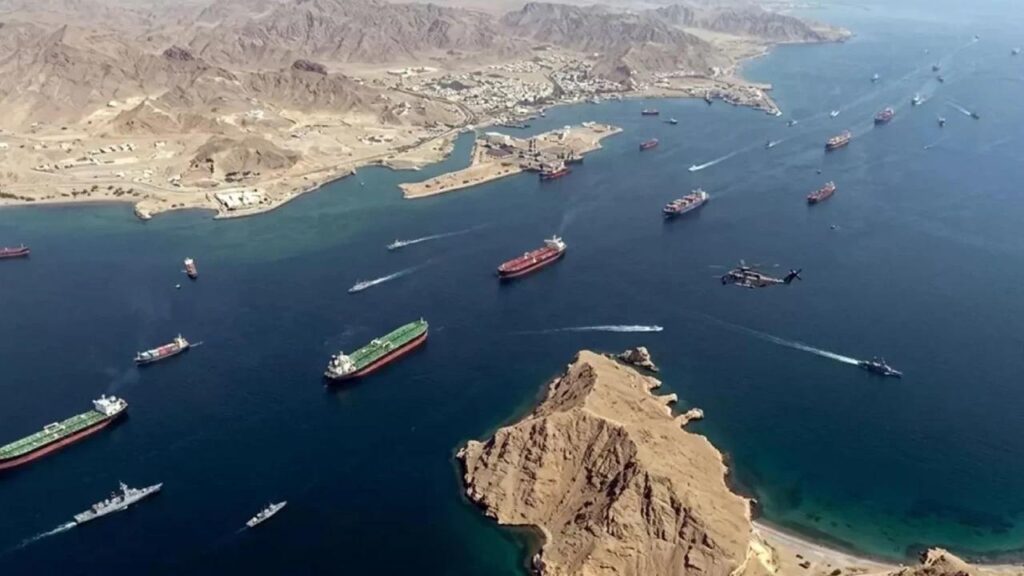
The Strait of Hormuz is one of the world's most critical waterways, connecting the Arabian Gulf to the Gulf of Oman. Its strategic importance stems from being the main route for oil and gas exports from Gulf states. Roughly 20 to 25 percent of the world's daily oil consumption passes through the Strait of Hormuz, amounting to more than 20 million barrels per day, shipped from countries including Saudi Arabia, the UAE, Kuwait, Iraq, Qatar and part of Iran's exports. Any disruption to Hormuz directly affects the global economy and oil prices.
During the latest tensions between the United States and Iran, Hormuz became the central arena of political and security rivalry. Attacks, threats and restrictions related to shipping have heightened international concern, with insurance companies and commercial vessels expressing fears over the safety of the passage. To reduce the risk of conflict and its impact on the world economy, several governments have launched diplomatic efforts to mediate between Washington and Tehran. Oman has once again emerged as the key mediator, given its long history of facilitating talks between the two countries. Qatar has also played a visible role in connecting the parties and encouraging a diplomatic solution. Other regional states are said to be backing efforts to calm the situation, worried that continued conflict could harm regional security and economies dependent on energy exports.
The ongoing talks are focused on several key issues, including keeping the strait open for safe passage of ships, reducing military tensions in the region, and matters related to sanctions and security. Although various reports have emerged on the progress of the negotiations, no final formal agreement has yet been reached. On the Iranian side, officials have indicated that the situation in Hormuz will not simply return to how it was before the conflict. These remarks have been interpreted as Tehran seeking any deal to recognize its security and political interests in the region.
Political and economic analysts believe the future of Hormuz will have a major impact on Middle East stability and world energy markets. If a lasting agreement is reached, oil prices are expected to stabilize and shipping traffic to return to normal. If talks fail, tensions are likely to continue, potentially driving up oil prices and disrupting international trade. The Strait of Hormuz today is not just a sea lane but a meeting point of strategic, economic and political interests of regional and global powers. The outcome of US-Iran talks could therefore affect the entire region and the wider world economy.